Understanding your exhibition goals
Before choosing your materials, it’s essential to understand what you aim to achieve with your exhibition stand. Your goals will influence the type and quality of materials you should use. Here are some examples:
- Presence at the event: Perhaps you simply want to have a presence at the exhibition. If impressing every passer-by isn’t your main concern, basic and cost-effective materials like PVC boards or paper might do the job.
- Making a big statement: If your goal is to make a bold impression and showcase your business’s dominance, you might favour materials like high-gloss acrylic, structural plastics or even glass. They simply have more affluent undertones.
- Highlighting unique benefits: Are you looking to communicate your brand’s unique benefits? Different materials can help highlight specific features of your brand. For instance, using environmentally friendly textiles and recyclable materials can underscore your commitment to sustainability.
- Cost-efficiency and reusability: If you want to save money for repeated use, materials that are durable and reusable will be your go-to. Aluminium and fabric are often favoured for their long-lasting properties and ease of transport.
Common materials used in exhibition stands
Exhibition stands can be constructed from a variety of materials, each offering its own benefits and drawbacks. Here’s a list of the commonest materials:
- Timber: Timber is sturdy and versatile. It gives a traditional and warm look to your stand. However, it can be heavy and might not be the best for transporting frequently.
- Aluminium: Lightweight and durable, aluminium offers a modern look. It is popular due to its ease of assembly and disassembly, making it perfect for exhibitors on the move.
- Vinyl and PVC boards: These materials are cost-effective and easy to install. However, they are less durable over repeated use and can wear out quickly.
- Acrylic: For a sleek, high-gloss finish, acrylic is ideal. It adds a contemporary feel and can be shaped into various forms. Its downside is that it can be scratched easily.
- Structural plastics: Flexible and lightweight, structural plastics can be moulded into any shape you want. They’re durable but can lack a high-end look.
- Fabric: Fabric is light and easy to transport. It can even be backlit for a visually striking effect. Fabric stands are versatile but may require more maintenance to keep them clean and fresh-looking.
- Paper: Economical, easy to print on and eco-friendly, paper can be a good choice for short-term events. As you can imagine, though, it’s easy to damage.
- Glass: Using glass can add sophistication to your stand, and is often used for high-end exhibits. Careful transportation and packaging is critical, which can add to the time and cost of moving the stand.
- Laminates: Laminates provide a variety of finishes and add durability to your stand. They’re good for surfaces that may see a lot of use.
- Paints: Paints allow for customisation in branding colours. It’s an easy way to get your brand’s colours exactly right but can require time and skilled labour to apply.
Choosing the right materials involves balancing appearance, durability, cost and functionality. Each material has a unique role to play in constructing a compelling exhibition stand. Whether you’re after an eye-catching, grand display or a modest and budget-friendly setup, the materials you choose make all the difference.
Types of exhibition stands and their materials
Exhibition stands come in various shapes and sizes, each type serving different purposes and demanding different materials. Understanding these types can help you choose the best fit for your needs.
Shell scheme stands
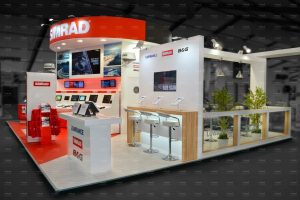
Shell scheme stands are one of the commonest types you’ll encounter at exhibitions. They are often the go-to for those on a budget. They usually consist of prefabricated walls framed by aluminium poles. The walls are perfect for attaching 2D graphics made from materials like PVC, fabric or paper. The setup often includes basic lighting and a fascia board.
Shell scheme stands are cost-effective and quick to set up. This makes them ideal for smaller businesses or first-time exhibitors who want a presence without a hefty price tag. The downside is the limited visual appeal. The aluminium frames often interrupt graphics, and the overall look might not draw much attention. This is a basic but functional option.
Space-only exhibition stands
Space-only stands give exhibitors a blank canvas. They aren’t confined by any physical structure provided by the organisers, allowing for total creativity. They are not really restricted by any rules when it comes to materials, other than those you set yourself in the brief.
Shell scheme transformations
Shell schemes are a staple at exhibitions, but let’s be honest – they can be quite dull. However, enhancements can transform these basic structures into eye-catching displays. By breaking out of the confines of traditional shell schemes, your stand can become more inviting and visually striking.
The aluminium framework and fascia boards can be replaced with seamless, high-quality graphics, for example. This not only improves visual appeal but also ensures that your branding is uninterrupted.
Modular design brings flexibility and adaptability, allowing the stand to be reconfigured for different events. This adds reusability, making it a cost-effective and sustainable choice.
Prestige events stands
Sometimes, you really need to push the boat out. If you’re promoting yourself to high net worth individuals or businesses, your stand needs to have artistry and elegance above and beyond what’s normal.
This is where high quality materials come into play. In many sectors, the look and feel of beautifully finished timber fits the bill. If you’re really looking to impress, bring in craftspeople who can create classic dovetail joints or seamless joins.
Finish panels with velvet, leather or other high-class fabrics. Introduce glass desktops, brass hardware and customised interactive screen bezels – it all adds up to a sense of opulence and quality that these people will be used to. Make sure printing is top quality, and lighting is subtle, focused and effective.
Sustainability in exhibition stand materials
In today’s world, sustainability isn’t just a buzzword; it’s a necessity. Exhibitors are increasingly mindful of their environmental impact, and the choice of materials plays a big part in this.
Benefits of reusable materials
Using reusable materials like aluminium and fabric not only reduces waste but also cuts costs in the long run. Aluminium, for example, is highly recyclable, and its durability means it can be used for multiple exhibitions without losing its structural integrity. Fabric panels, especially when backlit, can create stunning visuals and can be reused, maintaining their look over time.
Recycling practices
Many materials, once they’ve served their purpose, can be recycled. This includes all metals, certain types of plastics and even paper-based products. We always try to ensure that materials retired from use are recycled responsibly, and we design recyclability into our choice of materials where possible. By incorporating recycling into the lifecycle of exhibition stands, the carbon footprint significantly diminishes.
Innovations
Innovative approaches to materials have led to the development of specialised substrates and laminates that combine high durability with minimal environmental impact. These high-quality graphics last longer, reducing the need for frequent replacements. The best people to keep an eye on new, sustainable materials and techniques are those who deal with the exhibition stand sector 365 days a year.
Choosing sustainable materials is a win-win: it helps the planet and can provide cost-saving benefits over time. It can also be very attractive to customers in certain sectors.
Cost-effectiveness over the long term
Exhibition stands are an investment. While it might seem cheaper to go for low-cost materials initially, thinking long-term can save you over the life of the stand.
Initial vs. long-term costs
Materials like PVC and paper are certainly economical up-front. However, they wear quickly and often look less appealing after just one or two uses. This means replacing them frequently, which adds up over time – remember, they probably need printing, gutting and finishing each time. In contrast, aluminium frames and high-quality fabric panels might cost more initially but can be used repeatedly without losing their visual appeal or structural integrity.
Savings and return on investment
A durable, well-designed stand that can be reconfigured for different events offers huge savings. This kind of investment pays off not just in terms of immediate costs but also in reduced expenses for future events. Plus, a visually striking, well-maintained stand can attract more visitors, potentially leading to higher sales or brand recognition.
That’s why going modular can be a good mindset. Even if you don’t reuse the whole stand every time, you’ll be able to re-use some components multiple times, and that saves money. It’s another reason why durable materials can pay for themselves many times over.
Cost-efficiency through innovation
Alongside the traditional materials, innovative approaches also help. LED lighting, for instance, consumes less power and lasts longer when compared with other types of lighting.That reduces both electricity costs and the frequency of replacements. Advanced printing techniques ensure that graphics stay vibrant, cutting down on the need for reprints. Thinking about cost in a broader context helps you see the potential savings and benefits over time.
The importance of choosing a reliable stand partner
Exhibition stands aren’t a one-size-fits-all solution. The quality, customisation options, and innovative approaches vary drastically between providers. That’s why choosing a reliable stand designer and fabricator can make a significant difference.
Consistent quality
A reliable provider will ensure that all materials used are of the highest quality. This consistency means that each time you set up your stand, it looks just as good as the first time.
Customisation and innovation
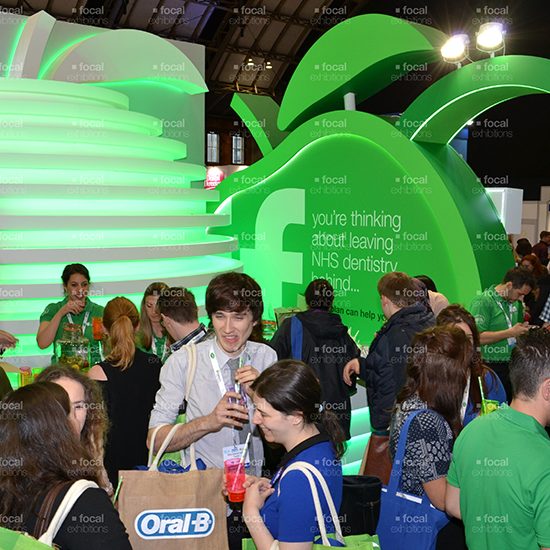
Providers like Focal offer extensive customisation options, allowing your stand to truly reflect your brand’s identity. From integrating bespoke features like display showcases and video walls to using exclusive materials like unique graphic panels, we can offer solutions tailored to your specific needs.
Dependability and trust
Knowing that your provider will deliver high-quality, timely service grants peace of mind. Because we have a hand in every aspect of the design, manufacturing and construction process, we can keep things simple and efficient, and always to the highest specifications. This means no unpleasant surprises, and you get exactly what you were promised.
Innovations and continuous improvement
Working with a skilled provider also means access to the latest innovations in exhibition stand materials and design. We constantly improve our systems, ensuring that you benefit from the latest advances, whether it’s in sustainability, visual appeal or cost-efficiency.
In summary
In the dynamic world of exhibitions, the choice of materials for your stand can make or break your event. From the basic shell schemes to grand custom builds using exclusive timbers, metals and technology, you can always find a stand design that meets your brief and delights your target audience. Defining your goals early on helps you to make informed decisions about what materials will best serve your needs.
Sustainability and cost-effectiveness are extra considerations that can significantly benefit you in the long run, as we’ve described above. Opting for durable, reusable materials might seem more expensive initially, but the long-term savings and environmental benefits far outweigh these costs. Innovations in materials science and design provide both aesthetic appeal and functionality.
Finally, the importance of choosing a reliable provider cannot be overstated. Whether you choose Focal or not, we urge you to find a provider who ensures quality, offers customisation and keeps up with the latest trends and technologies. They will help you create an exhibition stand that not only meets but exceeds your expectations.
We hope this guide has covered all the important aspects to help you navigate the complex world of exhibition stands materials. In our experience, it’s an overlooked aspect, as clients often come with preconceived ideas of what a stand looks like. But by some simple and subtle material choices, you can give yours the exact vibe you need to stand out and to resonate with your customers.